Selecting the Perfect Swimming Pool: Types and Design Ideas for Your Backyard
Identifying the ideal swimming pool requires thorough evaluation of numerous styles and configurations. Each option, ranging from in-ground pools to above-ground and inflatable varieties, offers distinct advantages and challenges. Grasping these variations allows homeowners to form knowledgeable selections that match their lifestyle and preferences. Since both aesthetics and functionality are essential, considering modern aesthetics and landscaping possibilities becomes necessary. Which elements should homeowners consider to ensure a smooth and effective installation?
What Swimming Pool Type Is the Right Choice for You?
Choosing the best pool type can be an overwhelming decision for many homeowners. Several factors, including budget, available space, and planned use, play important roles in this choice. Homeowners may explore options such as in-ground pools, above-ground pools, and even inflatable varieties.
Inground pools, often seen as a more lasting solution, support diverse designs and customization, accommodating aesthetic preferences and landscape integration. Conversely, above-ground pools provide cost-effectiveness and simpler setup, making them suitable for those with limited budgets or temporary needs.
Furthermore, inflatable pools deliver adaptability and ease, examine now well-suited for limited spaces or temporary needs. Each type has distinct advantages and drawbacks, so prospective pool owners must thoroughly consider their unique needs. When all is said and done, the most suitable pool type should correspond to personal lifestyle, upkeep ability, and future objectives, guaranteeing a rewarding investment that improves outdoor enjoyment.
In-Ground vs. Above-Ground Pools: A Complete Comparison
When evaluating a pool, home owners frequently struggle with the choice between in-ground and above-ground options. Underground pools generally provide a more enduring and attractive solution, naturally blending with the surrounding environment. They may be tailored in shape, materials, and size, enabling a personalized adaptation to virtually any backyard layout. Nevertheless, the installation tends to be both costly and time-intensive.
Conversely, above-ground pools provide a more affordable entry point for homeowners seeking recreational water features. Installation is simpler and can typically be completed in just a few days. While they may lack the visual appeal of in-ground pools, contemporary designs have significantly enhanced their appearance. Upkeep requirements differ between both options, with in-ground pools typically demanding more maintenance. In the end, the choice depends on personal preferences, budget, and desired longevity, requiring homeowners to carefully evaluate the advantages and disadvantages of each choice.
Top-Rated In-Ground Swimming Pool Choices
When picking out an inground pool, several options stand out for their unique advantages. Concrete pools provide long-lasting durability and extensive customization options, while fiberglass pools offer rapid installation and minimal upkeep. Vinyl liner pools provide a budget-friendly option alongside a wide range of design selections, each catering to different preferences and budgets.
Concrete Pool Advantages
Concrete pools emerge as an excellent option for below-ground pool installations due to their resilience and adaptability in design. Compared to other pool materials, concrete is capable of being shaped into virtually any form or dimension, enabling homeowners to craft a customized oasis that enhances their outdoor space. This adaptability means that features such as stairs, built-in seating, and aquatic features can be seamlessly integrated. Moreover, concrete pools are notably strong, built to handle extreme weather and frequent use. When properly maintained, they can endure for many years, making them a worthwhile long-term commitment. Additionally, concrete's inherent texture allows for a variety of finishes, ranging from tile work to plaster applications, elevating the overall appearance. Overall, concrete pools offer a combination of practicality and elegance, making them a compelling choice.
Fiberglass Pool Advantages
Fiberglass pools present an attractive option for homeowners looking for an in-ground pool option, especially due to their reduced maintenance demands and efficient installation procedure. Built using a resilient material, these pools inhibit algae development, substantially minimizing the requirement for chemical applications. Their sleek surface is not only comfortable against the skin but also minimizes the risk of scratches and abrasions. Furthermore, fiberglass pools come in a variety of shapes and sizes, allowing for customization to fit diverse backyard aesthetics. The versatility in design allows homeowners to craft a distinctive outdoor environment. Additionally, their energy-saving properties can result in reduced heating expenses, making fiberglass pools a wise and budget-friendly selection for homeowners aiming to improve their property value.
Vinyl Liner Choices
Vinyl liner pools are a popular choice for homeowners looking for an affordable and customizable backyard swimming solution. These pools utilize a resilient vinyl lining, which accommodates numerous shapes and dimensions, supporting various backyard layouts. Homeowners have access to a wide variety of colors and patterns, improving the visual appeal of their outdoor spaces.
In addition, vinyl liner pools are usually more budget-friendly to set up compared to fiberglass or concrete alternatives. Care is also more straightforward, as the polished surface inhibits algae buildup. Nevertheless, it is essential to acknowledge that liners commonly need to be renewed every 7 to 15 years, based on how they are used and maintained. Overall, vinyl liner pools provide an excellent blend of affordability, customization, and ease of maintenance for contemporary homeowners.
Stylish Swimming Pool Designs for Your Backyard
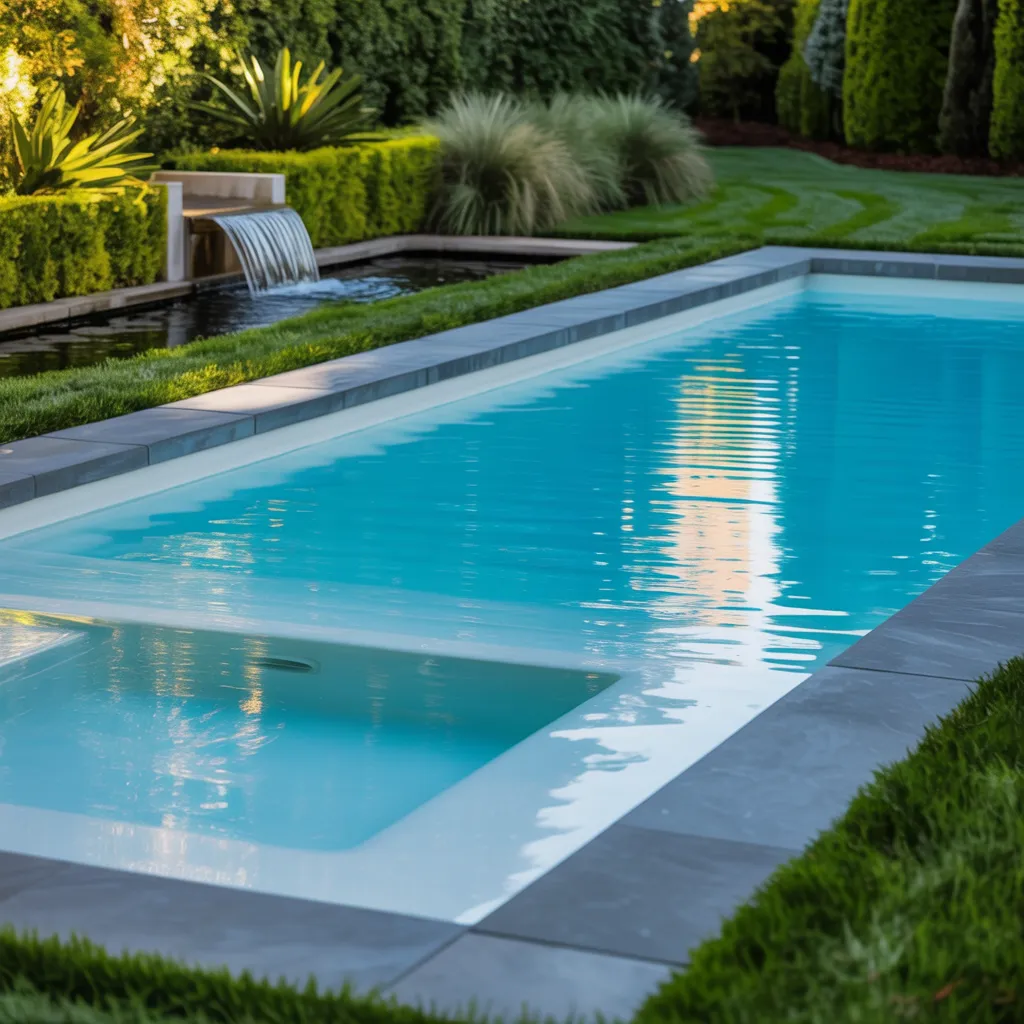
What distinguishes a modern pool design in a backyard setting? The refined lines and minimalist style establish an appealing environment that effortlessly complements contemporary architecture. These pools often feature geometric shapes, such as rectangles or squares, enhancing clarity and focus in outdoor spaces. Components including glass, stainless steel, and natural stone are regularly utilized, providing an elegant yet understated aesthetic.
Infinity edges stand as a signature element of modern design, providing a visual connection between the pool and its surroundings, often giving the illusion of water extending into the horizon. Moreover, including amenities like LED lighting and built-in seating improves practicality and enriches the overall ambiance.
Water elements, such as fountains or cascading waterfalls, can be incorporated to add a sense of elegance. In the end, contemporary swimming pool designs focus not only on aesthetics but also on the overall experience, converting backyards into lavish retreats that encourage relaxation and leisure.
Landscape Design Concepts to Enhance Your Pool Area
Improving the pool area demands thoughtful landscaping that creates a harmonious environment. Integrating abundant plant life, decorative decking, and effective shade structures can reshape the space into a serene oasis. These components not only improve the overall look but also improve usability and comfort.
Rich Green Environments
When evaluating the aesthetic appeal of a swimming pool, vibrant green landscapes can considerably elevate the overall experience. Integrating colorful landscape components, such as ornamental grasses, flowering shrubs, and native plants, establishes a tranquil atmosphere that harmonizes with the pool's blue tones. Strategically placed trees not only provide shade but also create visual height, while spreading plants can soften hard edges around the pool area. Moreover, the addition of tropical plants, like palms and ferns, can create a vacation-inspired setting. To amplify the scenic appeal, positioning plants at multiple elevations creates depth, while vibrant flowers offer year-round appeal. In summary, a well-designed landscape reshapes the pool surroundings into a peaceful retreat, encouraging rest and leisure.
Stylish Pool Decking Solutions
Decorative pool decking acts as a vital component in establishing an appealing and versatile outdoor environment. It improves the visual appeal while offering a secure surface for poolside use. Numerous materials, like natural stone, concrete, and wood, present varied textures and tones, enabling homeowners to select designs that harmonize with their environment. Incorporating patterns, mosaics, or decorative tiles can further elevate the visual appeal. Additionally, integrating landscaping features, like planters or seating areas, can seamlessly blend the decking with the yard. Effective drainage systems and slip-resistant coatings are critical aspects for maintaining safety. Through careful selection and planning of pool decking, homeowners can convert their pool space into an elegant sanctuary that showcases individual taste and promotes tranquility.
Practical Shade Selections
A thoughtfully planned pool area balances visual appeal with comfort and functionality. To maximize the potential of the space, incorporating practical shading solutions is essential. Pergolas serve as a sophisticated choice, providing partial coverage while allowing light to filter through. Shade sails are a flexible alternative, conveniently repositioned to manage sunlight exposure. For a lasting installation, gazebos can establish a comfortable sanctuary, complete with seating and decor. Additionally, thoughtfully arranged greenery can provide natural shade, enhancing the natural character of the space. These options not only protect swimmers from harsh sunlight but also create welcoming areas for rest and leisure, ensuring the pool space remains pleasant at all hours.
Budgeting for Your Dream Swimming Pool
Even though the attraction of a dream swimming pool is compelling, careful budgeting is vital to turn that vision into reality. Homeowners should start by determining their overall budget, taking into account both setup and recurring upkeep expenses. Factors such as pool type—inground or above ground—greatly influence expenses. Inground pools, while more expensive, often add considerable property value.
Moreover, it is necessary to factor in added elements like lighting, decking, and heating, which can enhance the swimming experience but also considerably add to the overall expense. Surrounding pool landscaping should also be considered within your overall budget, as it adds to the general visual appeal.
Lastly, pool buyers should set aside funds for surprise expenditures, which can emerge during the installation process. Engaging with professionals for quotes and considering payment plans can bring transparency and make easier the budget planning, ensuring that the perfect pool becomes a satisfying outcome without financial strain.
Popular Questions We Receive
How Do I Maintain Pool Water Quality Year-Round?
In order to preserve pool water quality all year long, routine testing and adjustment of pH and chlorine levels is necessary. Routine cleaning, filtration, and monitoring of water temperature also contribute to a healthy swimming environment.
Which Safety Features Should I Look Into for My Pool?
Safety features to evaluate for a pool include fencing, self-closing gates, pool covers, alarms, and slip-resistant surfaces. Additionally, installing pool lights and ensuring proper supervision can greatly enhance safety for all users.
Is It Possible to Install a Pool on My Own?
Yes, a pool may be constructed by one person, given that the person has the essential tools, skills, and expertise. Nevertheless, professional support is generally recommended to ensure proper construction, safety, and compliance with local regulations.
What Permits Are Required for Pool Installation?
The permits required for pool installation commonly encompass building, electrical, and plumbing permits. Regional requirements may differ significantly, so it is necessary to speak with local officials to guarantee compliance with safety standards and zoning laws.
How Do I Heat My Pool in an Efficient Way?
For efficient pool heating, it is possible to use gas heaters, solar heaters, or heat pumps. Furthermore, installing a solar cover can effectively retain heat, limiting energy loss throughout cooler nights and improving the overall heating efficiency.